
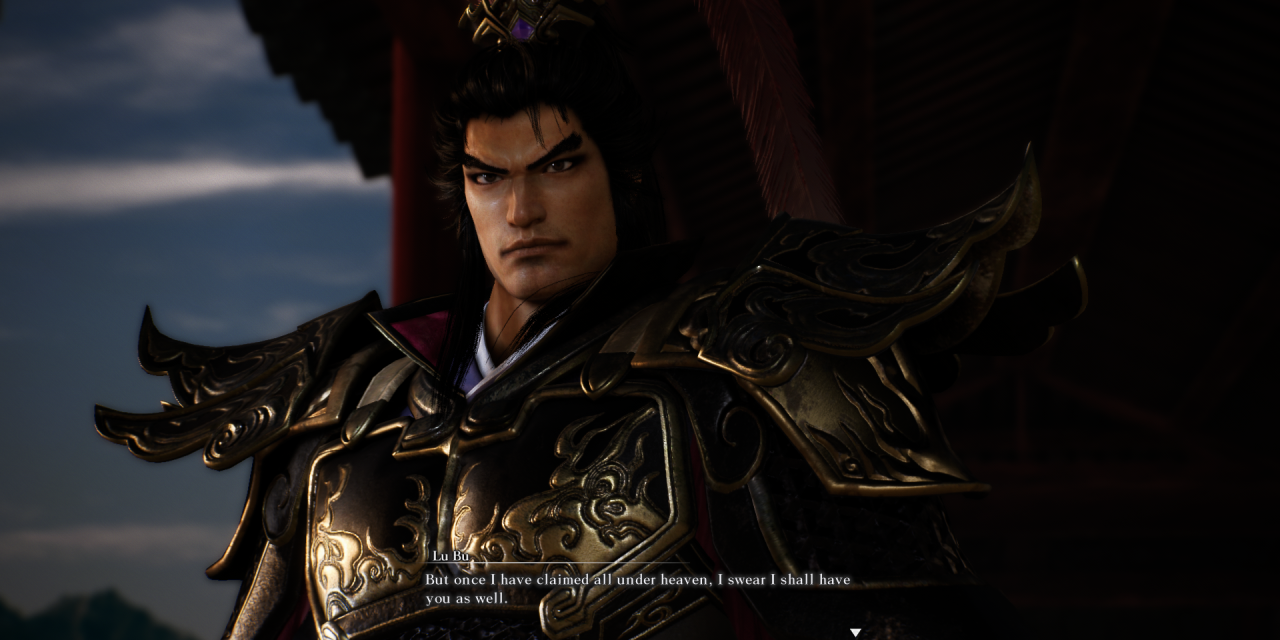
In a recent interview with Denfaminicogamer, Omega Force president Tomohiko Sho tried to walk a familiar tightrope in today’s gaming industry: admitting changes while downplaying their significance. The focus? The clear reduction of fanservice in Dynasty Warriors: Origins, especially when it comes to the costume designs of staple female characters like Diaochan, Sun Shangxiang, and Zhenji.
Sho, who served as producer for Dynasty Warriors: Origins made various statements soaked in corporate jargon, which namely boil down to a textbook case of gaslighting. He admits the designs are shifting toward a more “balanced and realistic” look, yet insists it’s not censorship.
In other words: “Yes, we changed it, but no, it’s not censorship.”
It’s a tired trick. Koei Tecmo’s move mirrors the industry’s wider tilt toward ESG (Environmental, Social, Governance) compliance, a trend that gradually reshapes iconic series under the guise of modernization silently stripping away the stylized sex appeal that helped define them.
In the interview, conducted alongside 4chan founder Hiroyuki Nishimura, Sho comments on the scaled-back fanservice in Dynasty Warriors: Origins. When asked directly whether this was a deliberate decision, Sho responds:
“It wasn’t that we had a direct intention to reduce the sexiness, but this time, we prioritized the overall vision of the game, with a policy of basically eliminating expressions that didn’t fit. Well, uh, some BL-like elements and puns did slip in, though…”
He explains that the team pursued a “serious and strait-laced approach” to better emphasize the immersive narrative of Romance of the Three Kingdoms. As a result, fanservice was naturally downplayed. However, homoerotic undertones between male characters remained present, an outcome that reflects the growing influence of ESG and DEI frameworks, which scrutinize heterosexuality while promoting homosexuality as the default.
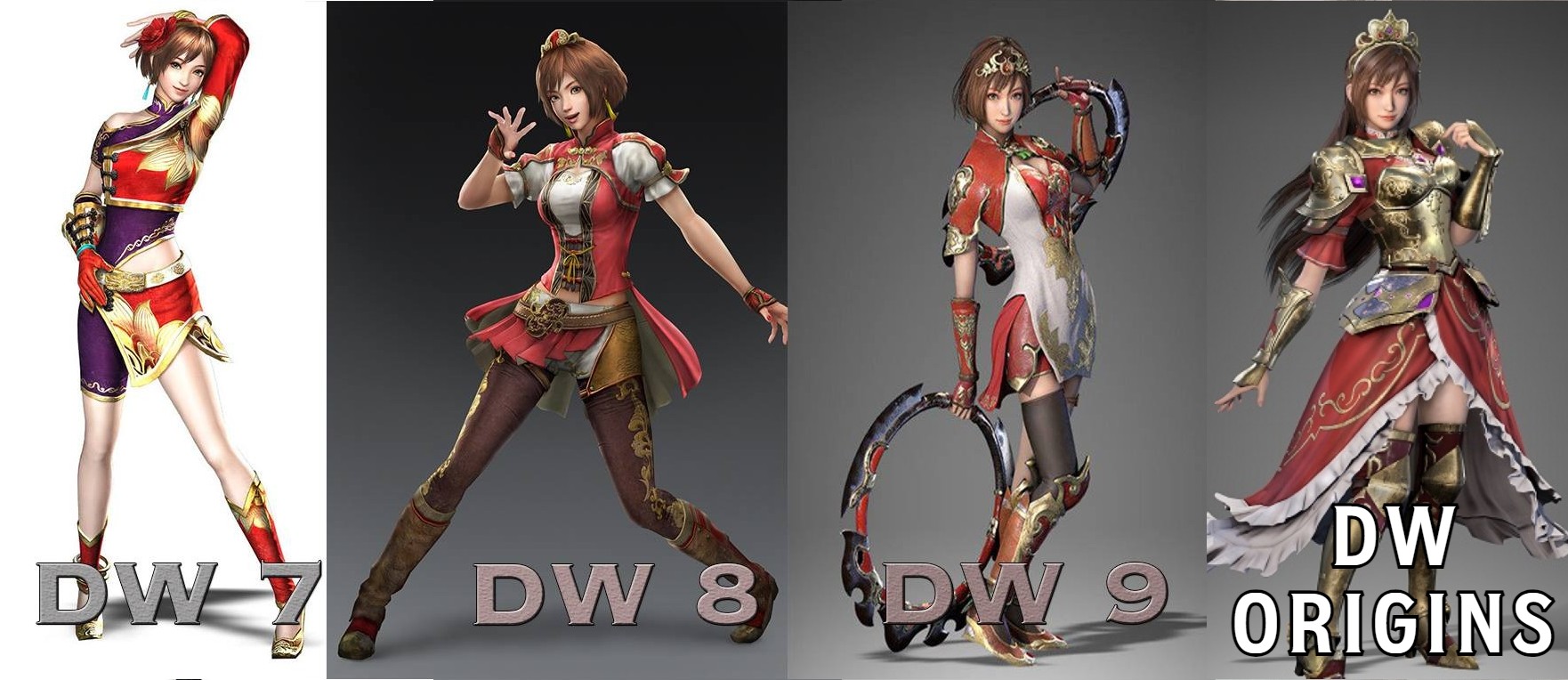
This explanation reads like classic gaslighting. While Sho acknowledges the deliberate reduction of sex appeal evident in the more “grounded” redesigns of female characters, featuring covered cleavages, less revealing skin, and or toned-down jiggle physics, he still insists it wasn’t done for the sake of censorship.
“Diaochan has a special background, such as having been trained in martial arts from the start, so we aimed to give her a realistic outfit suitable for actual combat. We also considered that if we forced in overly sexy elements, it would feel jarring during battle scenes, so we tried to minimize them as much as possible when creating her.
Of course, a certain level of allure is still important, so the team worked hard to find a balance.
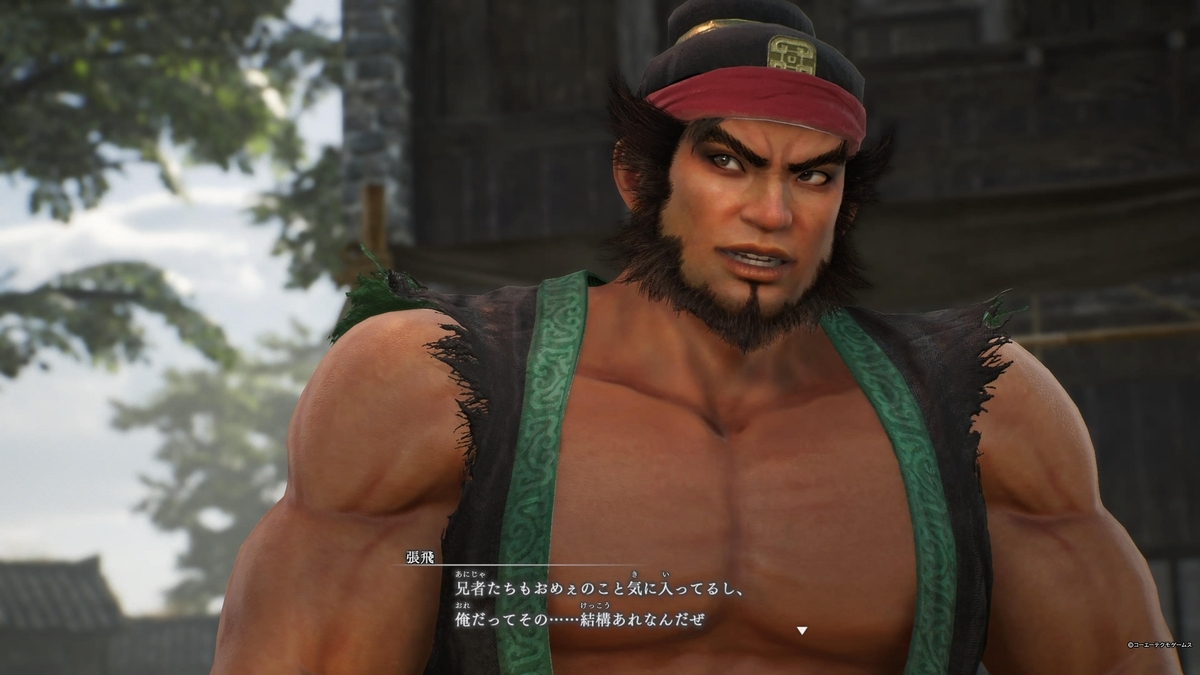
That said, on the whole, since I personally love old man and grandpa characters, we ended up putting a lot of energy into those. As a result, the sexy elements might have been reduced just because of that (laughs).”
Instead, Sho wraps the decision in vague artistic terms like “balance” and “realism,” suggesting that overt sex appeal would somehow detract from the story or diminish the characters. Because apparently, honoring the legacy of the Romance of the Three Kingdoms now means dressing one of its most famously seductive women in more sensible and tactically appropriate attire.
Koei Tecmo’s shift toward “practical” design isn’t occurring in isolation. The company, like other major Japanese developers such as Nintendo, Sega, and Capcom are clearly aligning with ESG-guided global standards, prioritizing “inclusive” and “non-offensive” content to satisfy Western cultural expectations and appease DEI-focused investors like BlackRock and Vanguard.

The definition of censorship is straightforward: it’s the suppression or alteration of content to meet subjective external standards. When those changes involve modifying character designs to avoid offending imagined audiences or to align with ESG-driven marketing optics, it’s still censorship no matter how carefully it’s worded in PR-friendly language.
Omega Force, a subsidiary of Koei Tecmo, operates under a publisher that has repeatedly catered to Western sensibilities by altering or removing fanservice elements. Koei Tecmo has a history of censoring its own titles, including Dead or Alive, Atelier Ryza, and Fairy Tail.
Each year, the company takes down between 200–300 doujinshi and 2,000–3,000 fan artworks deemed “inappropriate,” mostly targeting Dead or Alive content. The company claims to view its DOA characters as “like daughters,” justifying strict brand control, despite the franchise’s main appeal being rooted in unapologetic sex appeal.
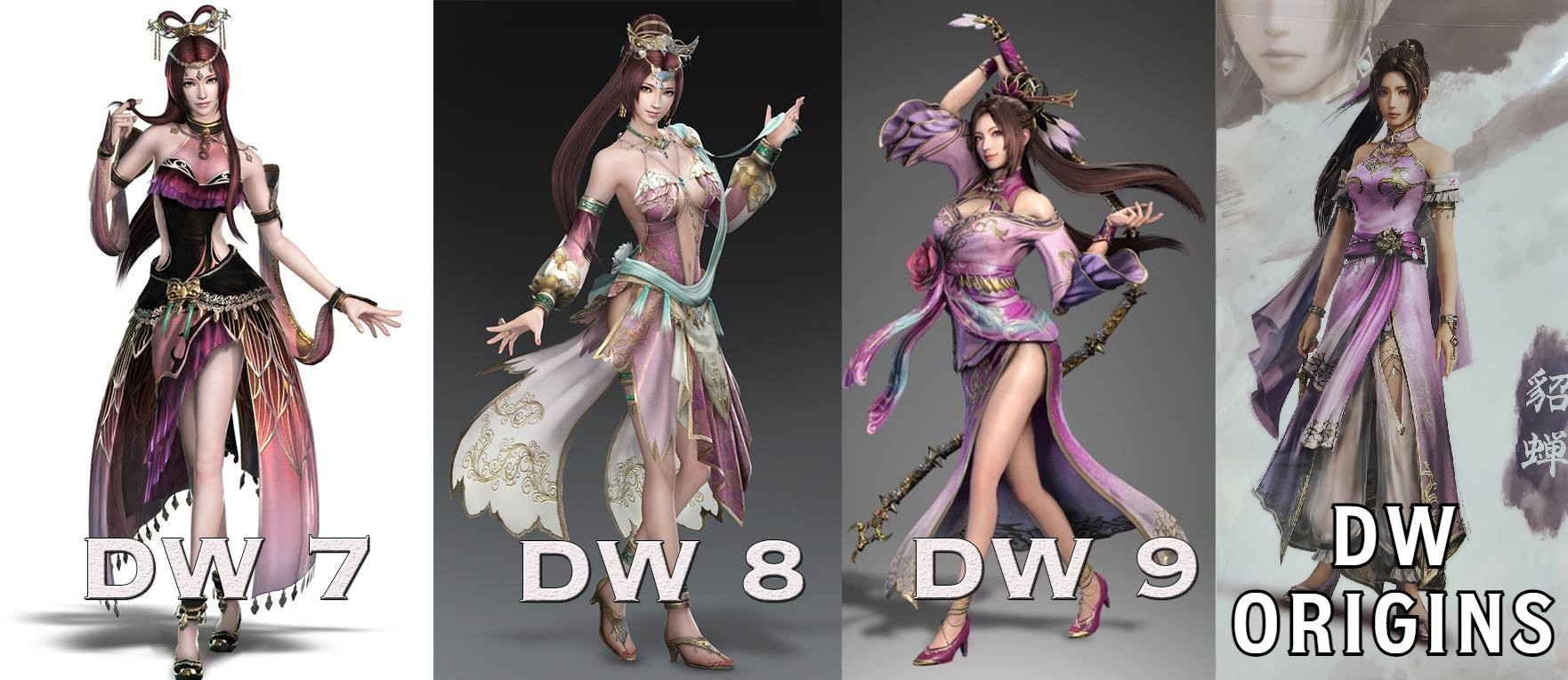
The redesign of Diaochan highlights the contradiction at the heart of Dynasty Warriors: Origins. In both history and previous games, Diaochan’s seductive charm was a key part of her identity, aligning with her role as a strategic seductress in Romance of the Three Kingdoms. Yet in Origins, her new “grounded” look supposedly inspired by her martial arts abilities diminishes this defining trait.
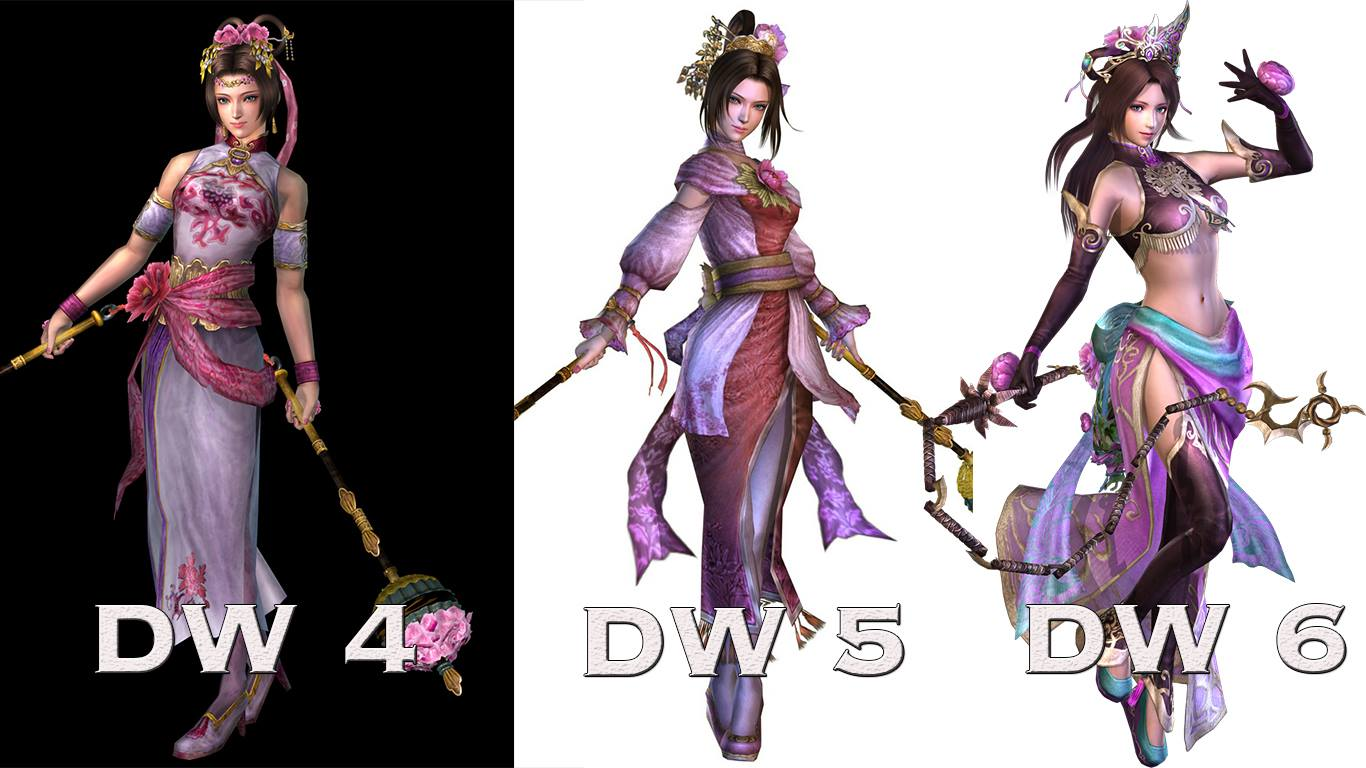
Sho defends the change by stating that her outfit needed to feel believable for a combatant, as if to argue that including fanservice would break immersion during battle. Such an argument doesn’t hold up under scrutiny. Dynasty Warriors has never aimed for strict historical accuracy, it’s a fantasy war spectacle where style and flair have always taken priority. If authenticity were truly the goal, there wouldn’t be any women on the battlefield to begin with, much less performing acrobatic martial arts in armor.
The selective removal of female fanservice, while male characters retain or even gain sex appeal, underscored by Sho’s joking reference to BL elements suggests a form of targeted censorship, not narrative cohesion. This mirrors a larger trend in the industry: from Microsoft’s DEI-driven edits to Ninja Gaiden 2 Black’s trailer to the infamous “black void” censoring panty shots in Fairy Tail, companies are increasingly prioritizing global sensitivity over fan expectations.
Fans have voiced frustration over the limited number of female characters in Dynasty Warriors: Origins. With only Zhenji, Zhuhe, Yueying, Sun Shangxiang, and Diaochan confirmed so far, the roster pales in comparison to Dynasty Warriors 9, which featured more than three times as many playable women. As a result, Origins is being criticized for skewing heavily male in its character selection.
Koei Tecmo’s increasingly sanitized approach is part of a wider trend across the Japanese gaming industry. The legendary Masahiro Sakurai renowned for his efforts on Super Smash Bros. and Kirby recently criticized this shift, warning that by chasing globalized standards, particularly Western norms, Japanese developers risk eroding the unique cultural identity that sets their games apart.
Dynasty Warriors: Origins is a textbook example, with its so-called “balanced” designs tailored to an ill-defined international audience at the cost of the series’ bold, unapologetic legacy.
This form of corporate gaslighting, acknowledging changes while pretending they’re either not there or aren’t ideologically driven is far from isolated. The president of Aquaplus justified censoring classic visual novels to boost global sales, while Fairy Tail 2 promised an “uncensored” release but underwent the same altercations that plagued Gust’s day-one censorship patch for the previous title.
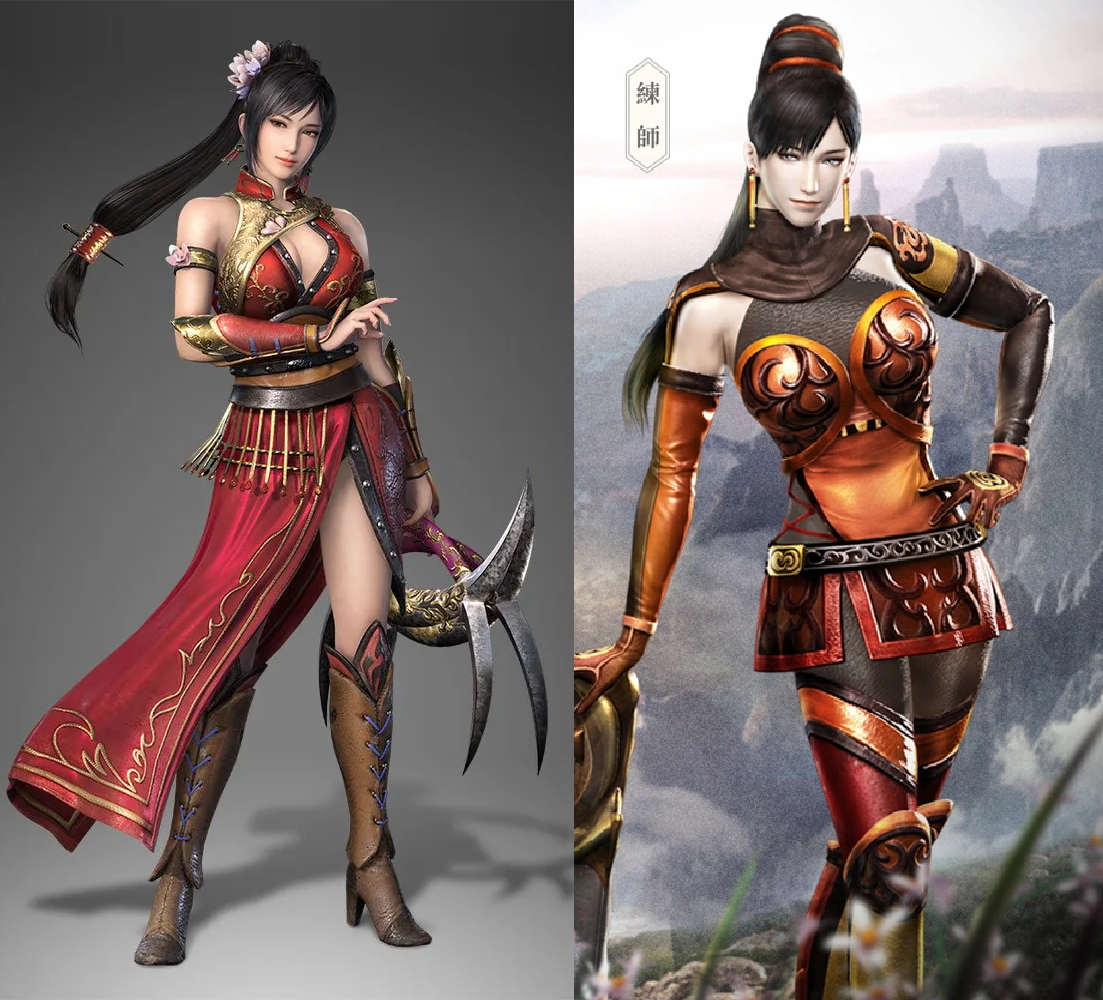
Koei Tecmo has followed a similar playbook, softening the sex appeal in Dead or Alive 6 and altering Lianshi’s appearance in Dynasty Warriors: Overlords.
The message is unmistakable: fanservice is acceptable, as long as it’s either directed at women or sanitized for broader, more “acceptable” consumption. Anything else, however, becomes a risk. While Dynasty Warriors: Origins may still feature pretty faces and attractive women, the core essence of the series, the boldness, the flair, the unapologetically over-the-top appeal is being toned down in favor of “global appeal.”
Sure, Origins may still offer thrilling Musou action, but its treatment of sex appeal signals deeper issues that go beyond mere transparency.
Sho’s insistence that the reduction of fanservice isn’t censorship only fuels the double standard, undermining the franchise’s whimsical charm. Fans aren’t fooled, they can see this shift for what it truly is: a concession to external pressures wrapped in corporate jargon.
If Koei Tecmo wants to protect its legacy, it would do well to heed Sakurai’s advice: embrace your creative decisions instead of hiding behind vague claims of “balance.” Fans deserve openness, not gaslighting. After all, this is a historical fantasy war game, what’s the harm in a little cleavage, or a developer admitting why it has been removed.
