
In an interview with Nikkei Shimbun, Visa Japan has once again come under scrutiny for its aggressive campaign against Japanese retailers and digital storefronts, specifically targeting the sale of doujinshi and erotic material, particularly those featuring fictional characters with controversial themes such as lolicon.
The payment giant frames these actions as part of its “brand protection” efforts, yet this stance reveals a glaring double standard. While Visa restricts such transactions in the name of moral integrity, it continues to profit from platforms like OnlyFans, which have been linked to real-world child exploitation.
This contradiction, along with Visa’s claims that it is neither enforcing an imperialist moral code nor restricting legal transactions based on legality has ignited backlash and underscored a larger conflict between global corporate influence and Japan’s cultural sovereignty.
The Nikkei Shimbun article, published on February 23, 2025, examines Visa Japan’s recent rationale for its regulatory actions against Japanese businesses. In the interview, Visa Japan’s leadership asserted that they “will not restrict legal transactions,” a statement undermined by numerous prior cases and the fact that Nico Nico only had its Visa payment processing reinstated months after eliminating adult content from a secondary platform.
Visa’s interpretation of “legal” is notably framed through the lens of U.S. moral ethical standards, a common practice for a corporation headquartered in California.

However, this stance disregards the fact that doujinshi featuring lolicon, fictional characters designed to appear youthful with exaggerated cuteness are entirely legal in both Japan and the United States. In Japan, the Act on Punishment of Activities Relating to Child Prostitution and Child Pornography, and the Protection of Children (1999) explicitly criminalizes real child exploitation while exempting fictional content derived from artistic mediums that do not depict identifiable minors.
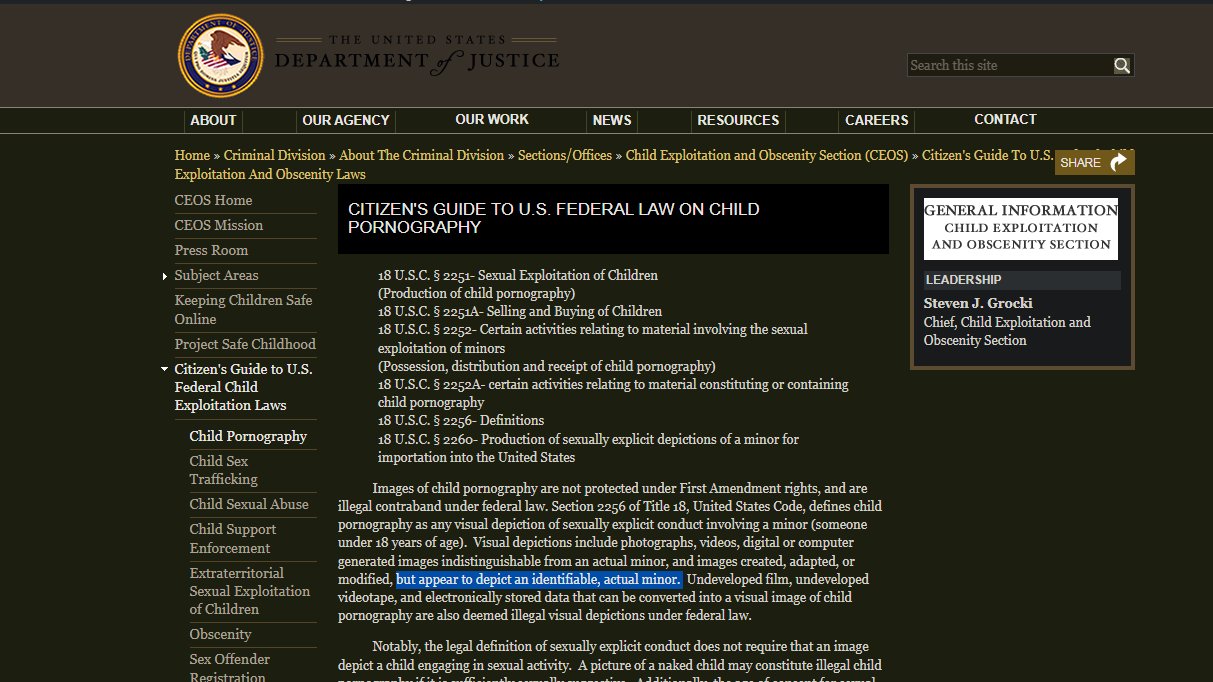
Similarly, U.S. courts have upheld that stylized anime depictions are legally distinct from real minors, reaffirming their legality. While one could argue that such content is morally questionable, it remains fully within the bounds of the law both in Japan where it’s produced and America.
Despite this, Visa Japan has specifically targeted retailers such as DLSite, Melonbooks, Toranoana and even Yuzusoft, pressuring them to censor and remove such material under the threat of losing payment processing capabilities, some retailers complied while others gave them the finger and opted against retaining their ability to process payments with Visa.
The Nikkei Shimbun interview exposes Visa’s weak justification: these restrictions are positioned as necessary to protect its global brand image. However, this argument falls apart when contrasted with Visa’s ongoing facilitation of transactions on OnlyFans, a platform implicated in documented cases of child sexual abuse material (CSAM) and trafficking, as revealed in a 2023 whistleblower complaint submitted to U.S. federal agencies.
Visa was quick to sever ties with Pornhub in 2020 following public backlash, yet its continued inaction regarding OnlyFans despite federal agents confirming the presence of CSAM on the platform highlights a profit-driven double standard.
The hypocrisy is striking. On one hand, Visa strong-arms Japanese businesses over legal, fictional content that generates only a fraction of the revenue of major Western platforms. On the other, it collects transaction fees from OnlyFans, a platform with over 300 million users and billions in annual revenue, some of which is linked to real human exploitation.
According to the whistleblower complaint, Visa and Mastercard were aware of illicit activity on OnlyFans as early as 2021 but “turned a blind eye” to the profits, prioritizing financial gains over ethical considerations.
This starkly contrasts with their aggressive policing of Japan’s doujinshi market, where no real victims exist, only artistic expression grounded in a cultural tradition Visa refuses to acknowledge and accommodate.
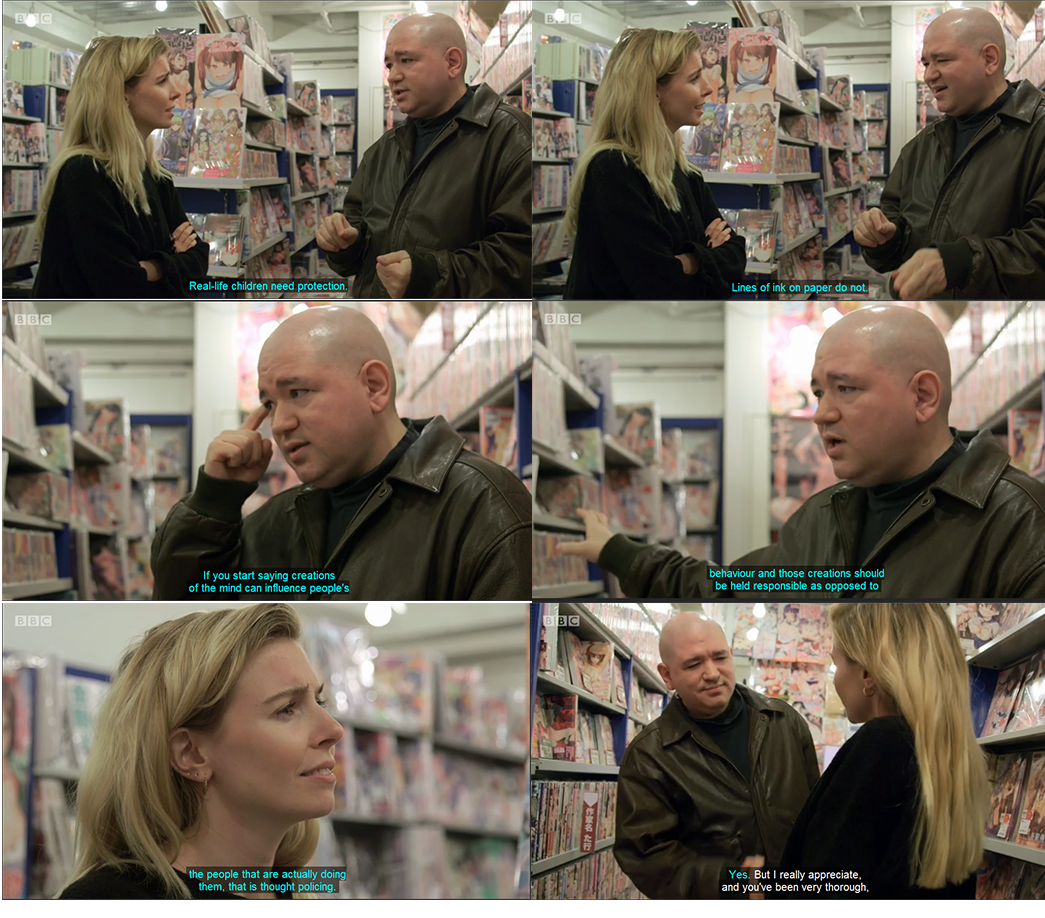
The Nikkei Shimbun interview exposes this contradiction, with Visa Japan dodging questions about its selective enforcement. Their claim of not imposing an “moral code” falls apart when one considers that their restrictions align with Western puritanical outrage over lolicon, rather than Japan’s legal and cultural norms.
This isn’t about legality, it’s about imposing a foreign ethical framework on a sovereign nation’s creative industry, all while profiting from far graver sins elsewhere.
The debate over global moral standards being imposed on Japan’s unique cultural artwork has been further inflamed by a viral Twitter storm. A self-proclaimed Japanese woman quote-tweeted a “confessional” comic depicting a man assaulting a child, alleging that it exposed Japan’s “serious issue with pedophilia.”
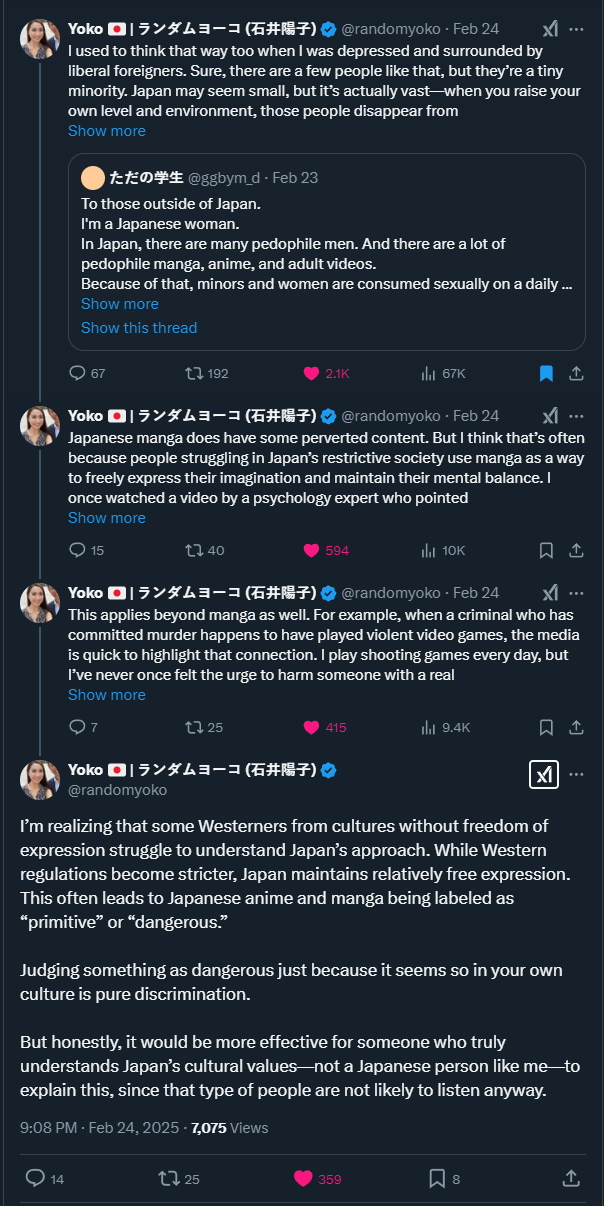
The post, which amassed over 370,000 likes, fueled a worldwide outcry condemning Japan as a hub of depravity.
The same individual who decried the KonoSuba anime, merely depicting characters sharing a meal as an example of ingrained sexism that allegedly harms women on a daily basis, also dismissed it as “gross.” Such assertions appear to be more indicative of personal grievances than objective analysis grounded in reality.
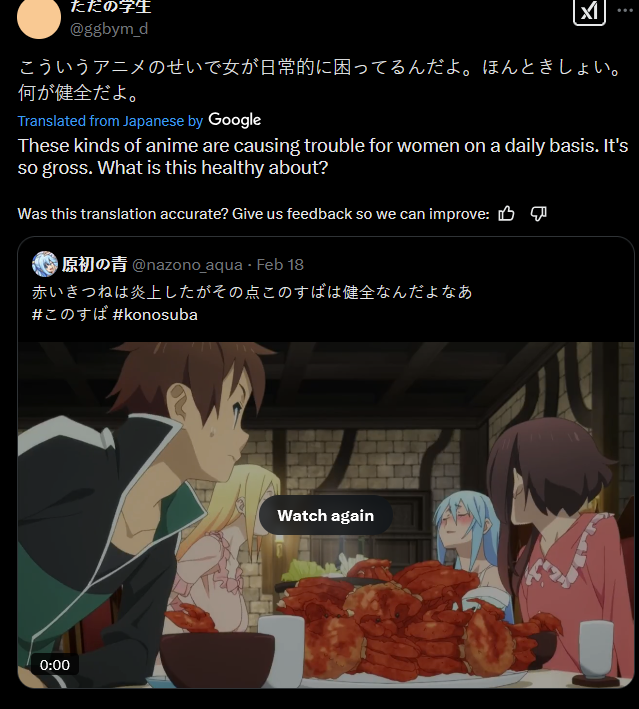
However, the comic she cited was later identified as a doujinshi sold on DLSite, a fictional, legal work entirely unrelated to real-world criminal activity. Her claims that Japan is a major producer of “pedophilic” anime, manga, and adult films, and that women and minors are “sexually consumed on a daily basis,” contributed to an exaggerated narrative of widespread exploitation within Japan.
This rhetoric, widely echoed by feminist supporters across the globe, conveniently disregarded factual evidence.
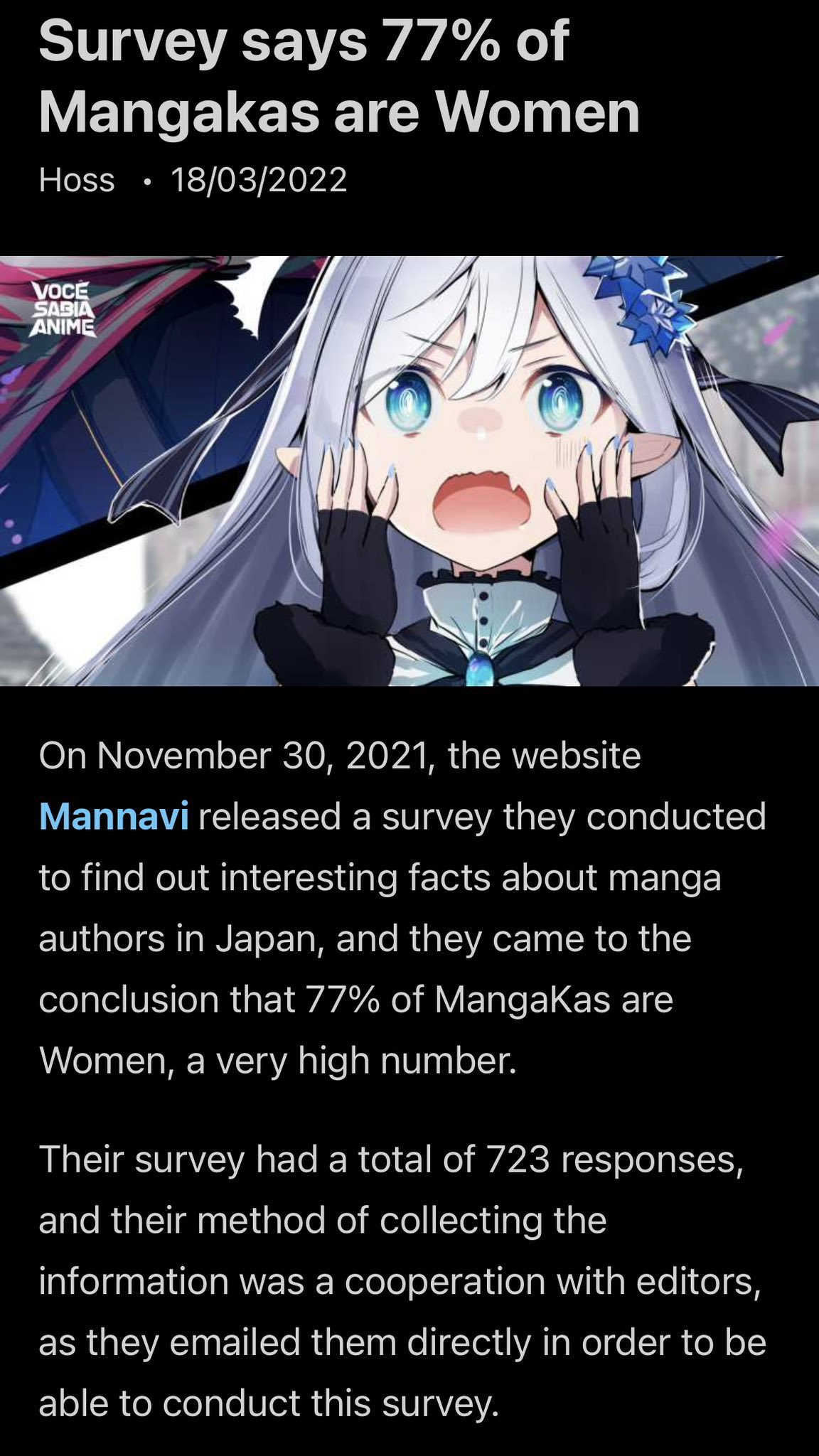
Japan’s manga and doujinshi industries are dominated by women, many of whom create works exploring homosexuality (Boys Love), BDSM, infidelity, bestiality, and shotacon, the male equivalent of lolicon.
Like lolicon, these themes are fictional explorations, not endorsements of real-world behavior, because of course it wouldn’t be right to assume that women would ever prey upon young innocent children the “same way” that “evil men” do, now would it?
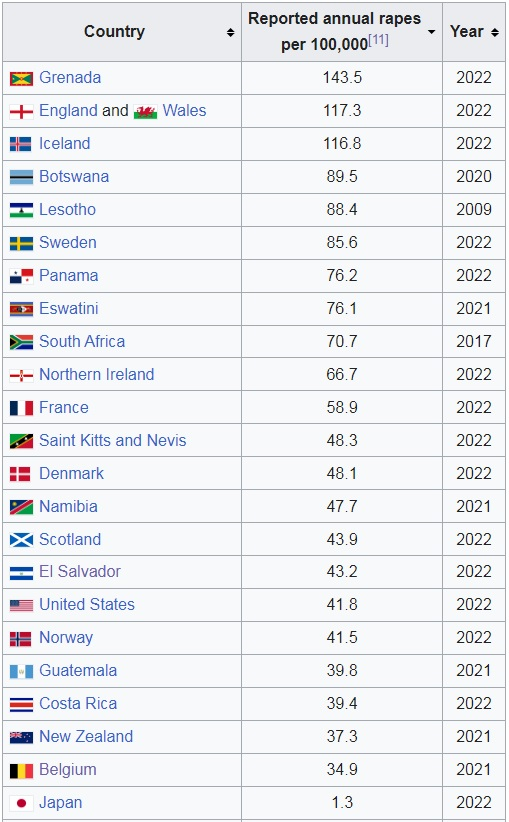
Meanwhile, crime statistics paint a starkly different picture: with a violent crime rate of just 1.3 per 100,000 in 2022 (per UNODC data), Japan remains one of the safest countries for women and children, far outpacing the U.S. (41.5) and England/Wales (117.3) while Interpol’s research report on child pornography shows that Asians as a race have the least amount of child pornography-related crimes.
The feminist outrage fueling this controversy likely amplified by bot activity reeks of cultural misunderstanding and projection, conflating artistic expression with reality while overlooking genuine exploitation elsewhere.
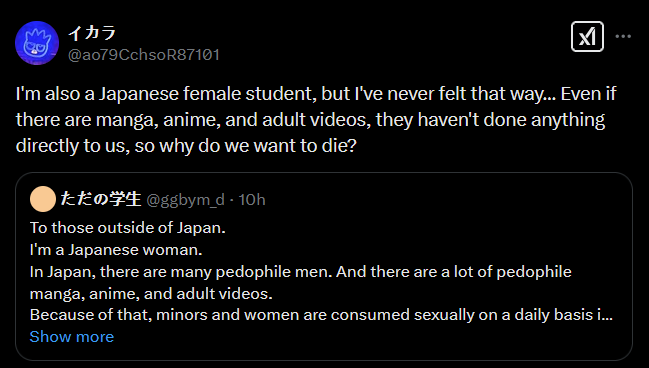
This is hardly the first time Japanese feminists have manufactured controversy. Just weeks prior, they protested a ramen commercial for “sexualizing” a girl eating noodles while simultaneously defending a mother who abandoned her children to starve after rejecting child support.
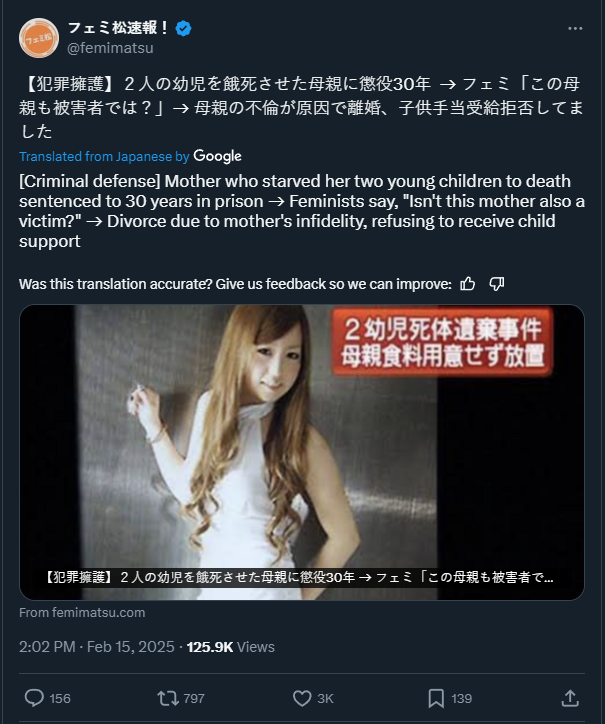
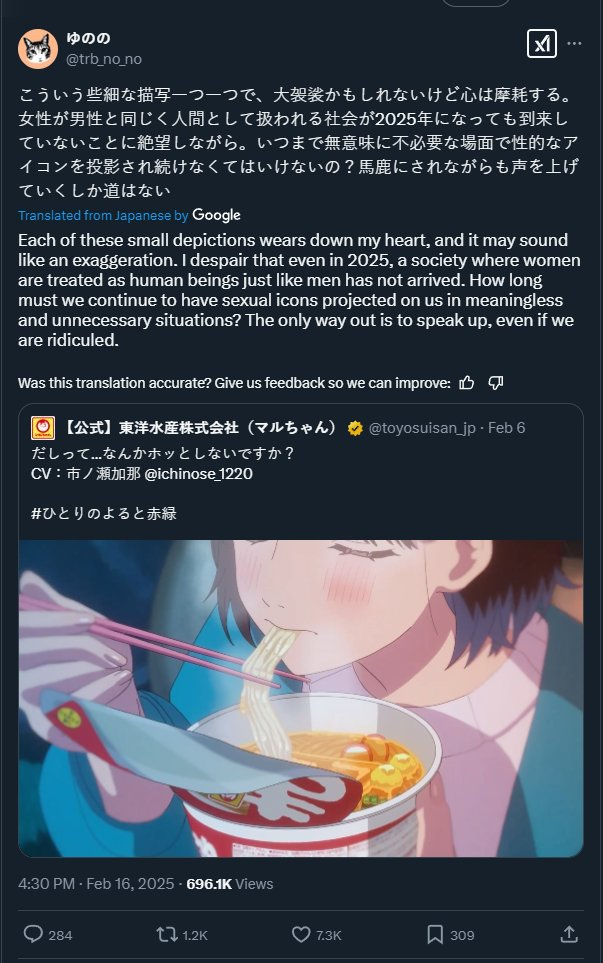
The inconsistency is part of a broader trend: a vocal minority distorting narratives that clash with Japan’s lived reality. Trusting feminists—let alone corporate entities like Visa and Mastercard is a fool’s errand.
Visa Japan’s actions, as exposed in Nikkei Shimbun, go beyond corporate overreach, they represent a direct attack on Japan’s cultural identity. By targeting legal doujinshi and eroge, Visa isn’t just censoring content; it’s dictating what Japanese creators and consumers are allowed to engage with, all while feminists and culture vultures push exaggerated claims of misogyny and child exploitation to justify this crackdown globally.
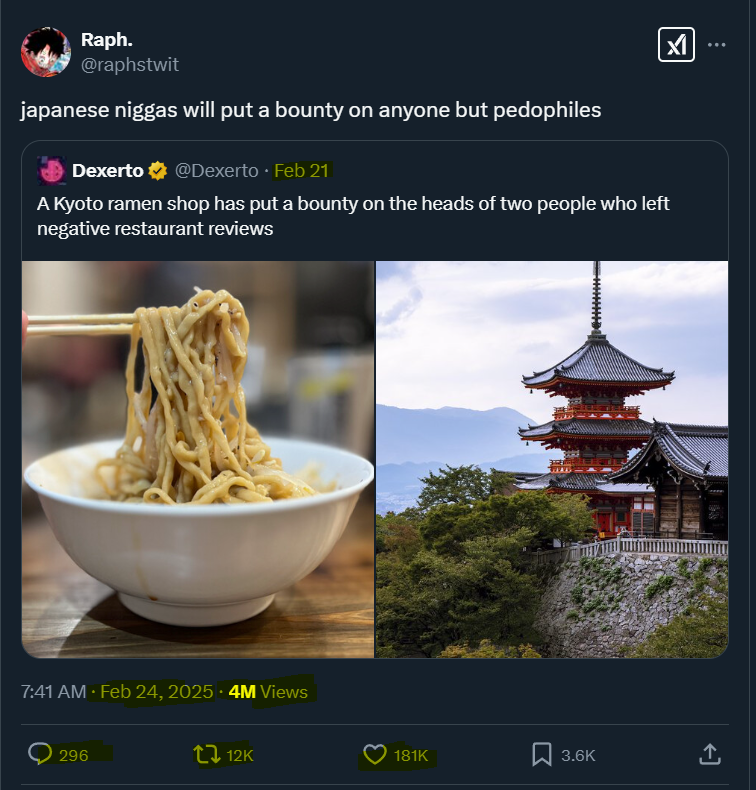
Their claim of not restricting legal transactions is demonstrably false, contradicted by their own history of blacklisting platforms like YuzuSoft and Manga Library Z. Meanwhile, their continued profiteering from OnlyFans lays bare the hypocrisy behind their “brand protection” argument, it’s nothing more than a pretext for imposing Western moral panic on a culture they neither respect nor understand.
The viral feminist backlash on X only fuels Visa’s crusade, perpetuating the myth of Japan as a pedophilic dystopia.
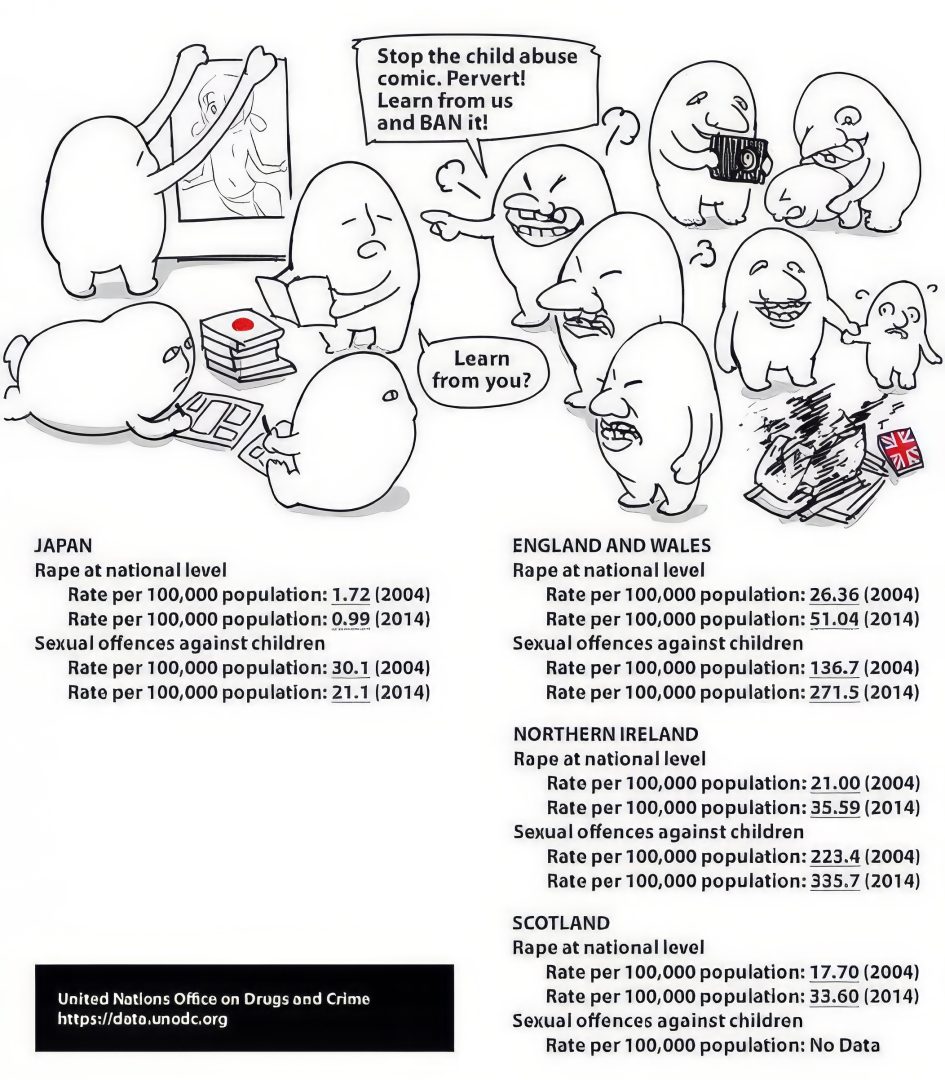
Yet the data and legal frameworks tell a different story: Japan’s creative industries flourish within a lawful, safe society, while Visa’s hypocrisy thrives in the shadows of real-world exploitation.
If Visa truly cared about protecting anyone, they’d audit their own transactions before tightening the financial noose around Japan’s artists and retailers. As their Nikkei Shimbun interview makes clear, Visa is lying through its teeth, wielding financial power as a weapon to impose its will on a culture it refuses to accept on the grounds of moralism.
