
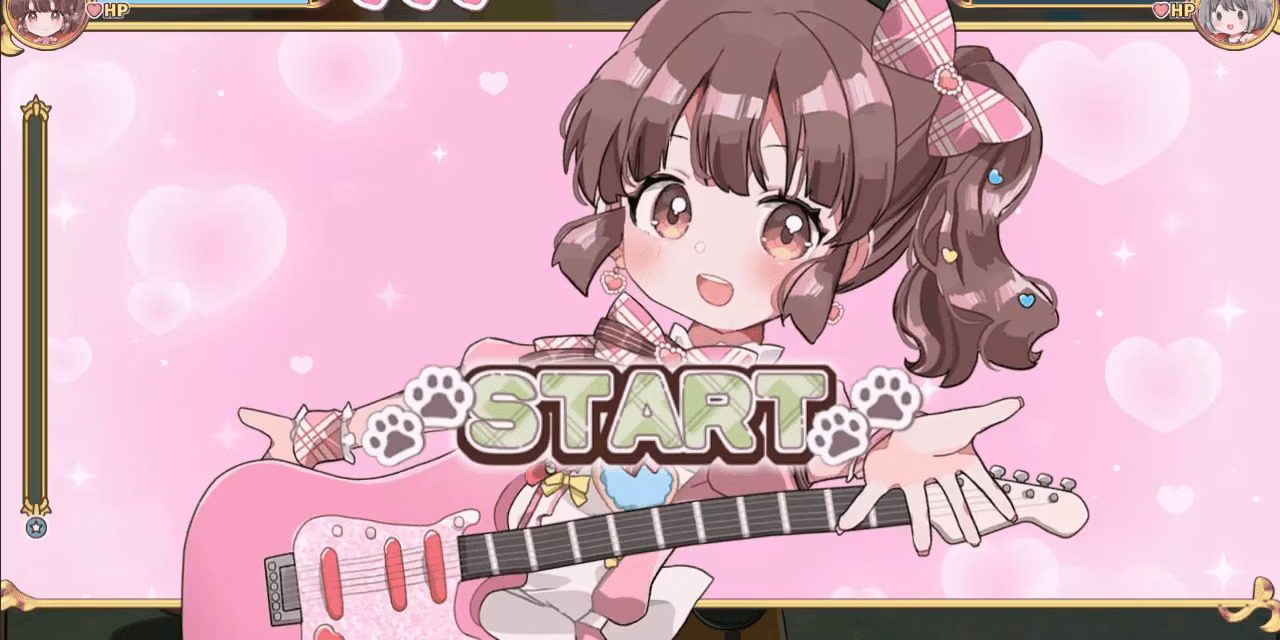
Nintendo of America (NoA) has once again disrupted the Western release of a Japanese title, this time blocking Menhera Farm, a management and rhythm game from indie developer Sugar Star.
The game, which centers around training adorable anime-style “Dolls” through lessons and rhythm battles to become champions, was barred from release outside Japan. Nintendo cited fears that it could “damage” the company’s brand image overseas.
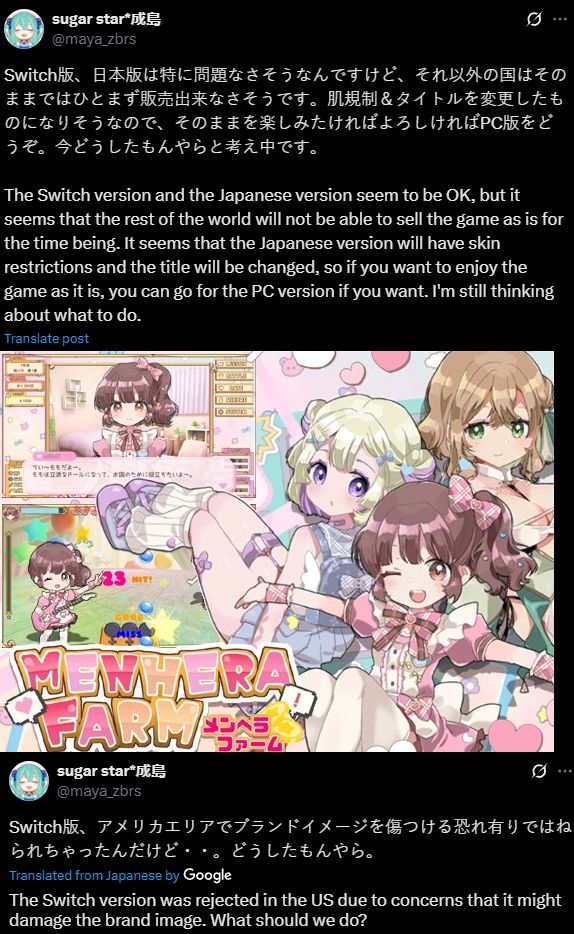
Sugar Star shared the news on Twitter, highlighting yet another instance of Nintendo of America’s tightening content policies, policies that unfairly single out Japanese games, especially those featuring even mildly provocative fanservice elements and culturally specific themes aimed at heterosexual male fans of bishoujo characters.
Menhera Farm is a management and training sim with rhythm game mechanics, developed by indie studio Sugar Star. Players pick one of three cute, anime-style characters known as “Dolls” who are living weapons in human form, and work to turn them into Champion Dolls by boosting their stats through lessons and rhythm-based battles.
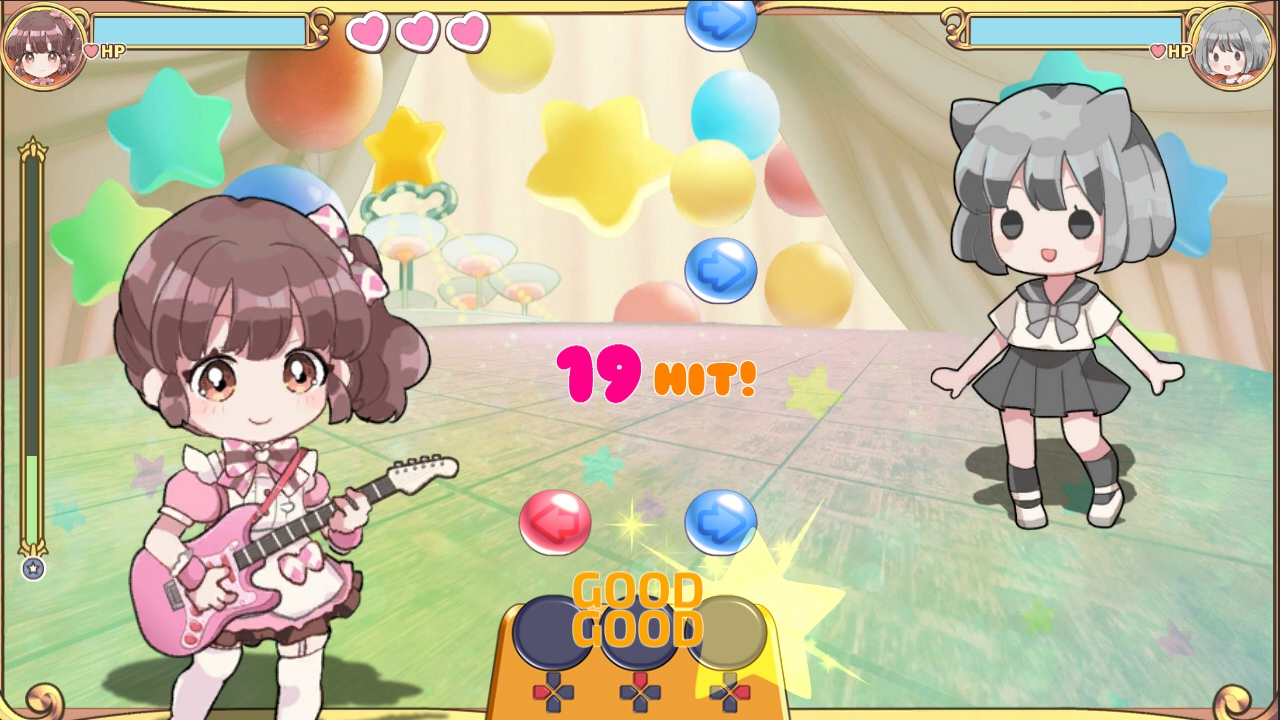
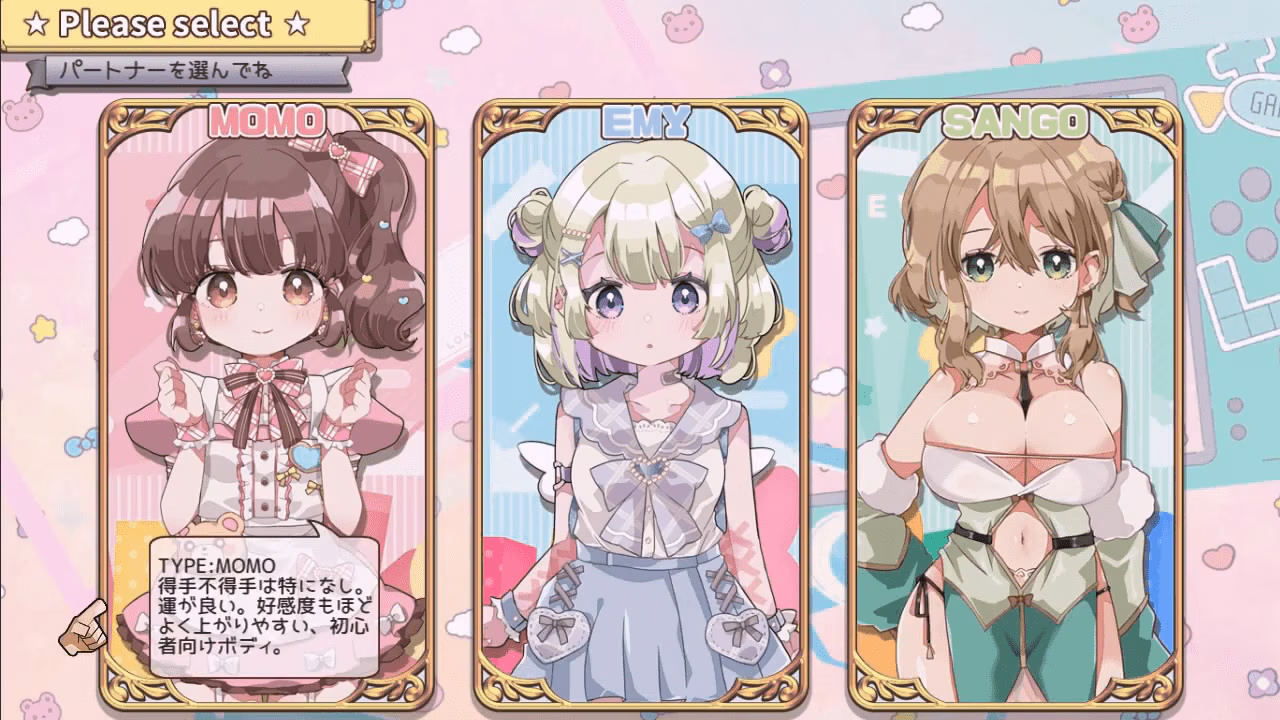
The game also features a dating system, allowing players to take their Dolls on outings to reduce their stress levels and build favorability. However, making the wrong choices might cause a Doll to dislike the player. Characters are presented in a chibi art style, with one notably having a larger bust but still dressed modestly.
The game steers clear of overt fanservice, suggestive dialogue, or explicit content, offering a lighthearted, wholesome experience centered around cute visuals and engaging gameplay.
Sugar Star also announced on Twitter that the Japanese Switch version of the game will launch with minor censorship, covering up exposed skin around the abdomen and cleavage for Sango, one of the three Doll heroines. They’re even going the extra mile to censor bikinis throughout the game too.
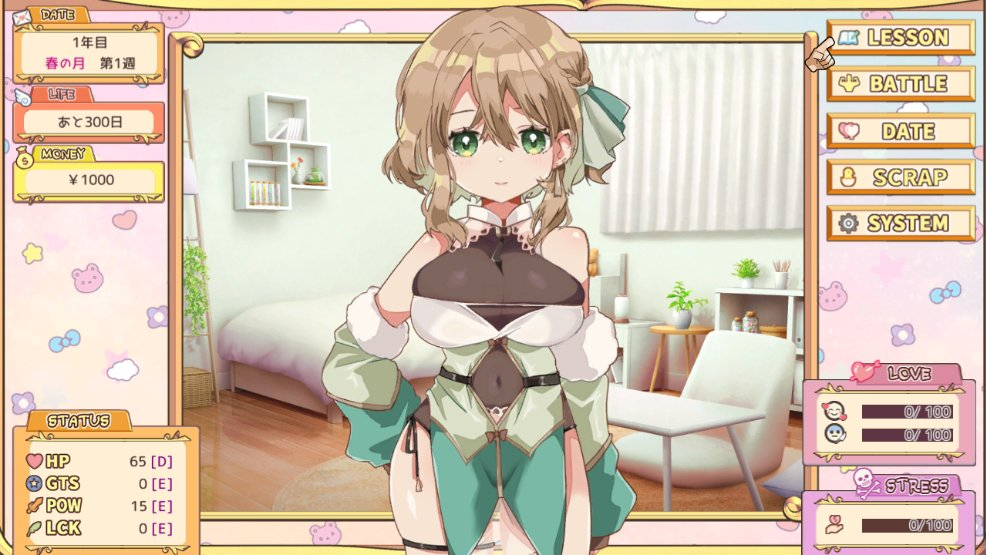
However, even with these edits, the game failed to pass Nintendo’s overseas standards. The Switch version was specifically rejected for release in the United States, with Sugar Star stating it was turned down due to concerns it could harm Nintendo of America’s brand image.
Nintendo of America’s rejection of Menhera Farm follows a growing pattern over the past few months, where the company’s Western branches have tightened restrictions on Japanese games. Idea Factory International canceled the Western Switch releases of the Hyperdimension Neptunia Re;Birth trilogy and Death end re;Quest: Code Z, citing non-compliance with Nintendo’s updated guidelines due to suggestive themes and revealing character designs.
Likewise, the swimsuit DLC for Neptunia Riders vs Dogoos was also rejected, though the base game was approved and Eastasiasoft’s Tokyo Clanpool faced censorship across multiple platforms for its “provocative” content. Nintendo continues this trend of scrutiny as it prepares for the launch of the Nintendo Switch 2, shifting further toward a more globalized and inoffensive brand image.
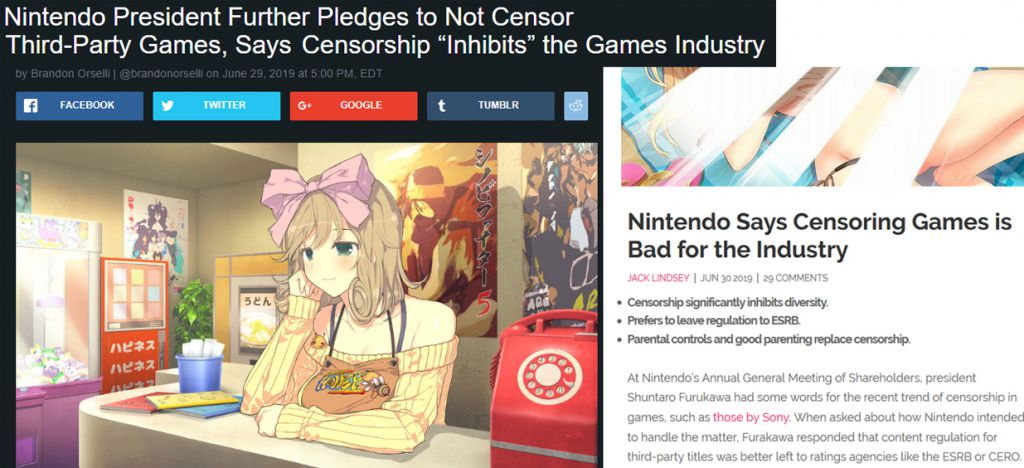
Nintendo of America’s stated concern that Menhera Farm could “damage the brand image” is both vague and puzzling. While Nintendo has long maintained a family-friendly reputation, the Nintendo Switch’s release marked a shift, positioning Nintendo as the only major console maker offering publishers creative freedom.
Coupled with the Switch’s portability, this made it especially popular in Japanese markets, especially as companies like Sony began enforcing global standards on Japanese developers resulting in belligerent censorship to appease Sony’s “global standards.”

Nowadays the Nintendo eShop is littered with games containing suggestive content, excessive fanservice alongside AI-generative “hentai puzzle” games. This inconsistency suggests NoA’s guidelines are applied selectively, much like Valve’s approach with their Steam store, often favoring bottom-tier slop content aimed at homosexual demographics.
Now, it seems Nintendo are just about targeting any and all Japanese games that don’t conform to Western cultural expectations.
The growing hostility toward anime aesthetics in the West is no accident; rather, cuteness itself has become a political battleground as “cuteness” depicted from stylized mediums are split along ideological lines.

Those who find anime girls “disturbing” or “inappropriate” lack tolerance for cute stimuli and react negatively with aggression, possibly due to neurological factors or, more likely, because Western media has conditioned them to reject anything that doesn’t fit the sanitized, progressive version of “cute” one that elevates racial and bodily diversity while scrutinizing against White heterosexuals.
This indirectly backs NoA’s newfound strict policies as cultural gatekeeping. Fans of Japanese games, especially those aimed at heterosexual male audiences, are feeling increasingly alienated. On Twitter, Sugar Star pointed out that while the Japanese Switch version and PC release (via DLsite) will continue, “if you want to enjoy the game as it is, you can go for the PC version if you want” encouraging players to choose the PC version for a true unfiltered experience.
Nintendo of America’s recent tightening of policies, framed as brand protection but clearly driven by cultural sensitivities, mirrors the moves of corporations like VISA. These companies have leveraged their financial power as payment processors to pressure Japanese retailers and businesses into pulling eroge materials they deem inappropriate, even though they’re legally sold in Japan.
This push for restrictive, homogenized standards is part of a troubling trend for fans of Japanese games, as financial institutions, system producers, and storefronts increasingly prioritize global revenue over local cultural identity.
The end result? The extermination of Japan’s distinctiveness in its own media.
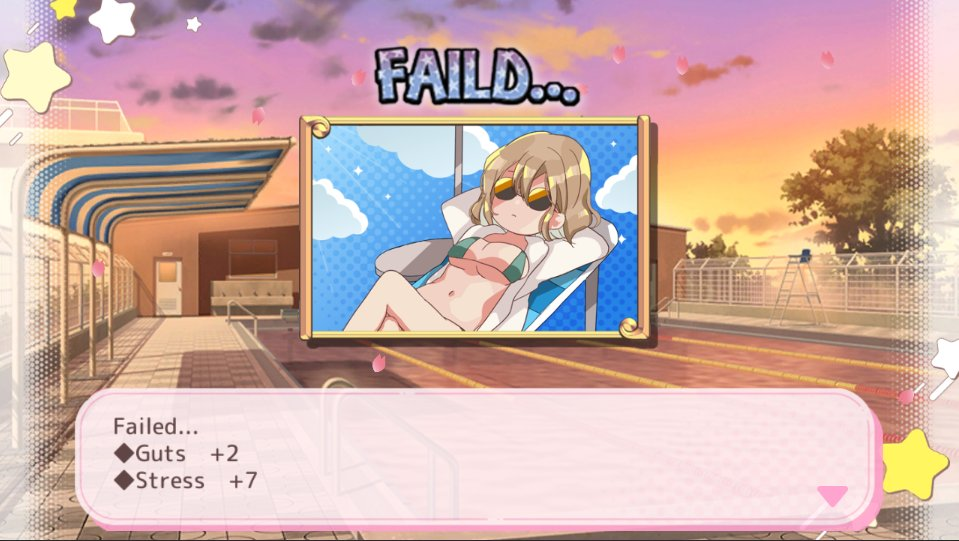
Menhera Farm’s rejection in English-speaking markets, despite its tame content, shows that even the slightest elements (like a character’s bust size or moe aesthetics) are now enough to trigger NoA’s censorship measures.
Both fans and developers are stuck navigating a frustrating and increasingly hostile landscape, caught between cultural differences and corporate overreach. This trend poses a major threat to studios like Qureate, who recently unveiled an ambitious 2025–2026 lineup packed with fanservice-heavy titles, including a Bunny Garden sequel and a spin-off, Hebereke Bunny Garden.
Qureate, known for their ecchi dating sims and provocative anime aesthetics, will soon find their signature busty, suggestive content under relentless scrutiny from Nintendo of America (NoA), Nintendo of Europe (NoE), and possibly Valve on PC. With NoA and NoE already blocking games like Hyperdimension Neptunia and Tokyo Clanpool over similar concerns and Valve continuing its hypocritical crusade against Japanese titles while gleefully hosting all manner of explicit, often degenerate Western homoerotic material, developers such as Qureate faces the real risk of serious restrictions or outright blacklisting in Western markets completely.
Their choices are bleak: either butcher their games to appease Western sensibilities, thereby abandoning their core fanbase, or pull back entirely and cater only to the domestic Japanese audience, drastically limiting their global reach and financial prospects.
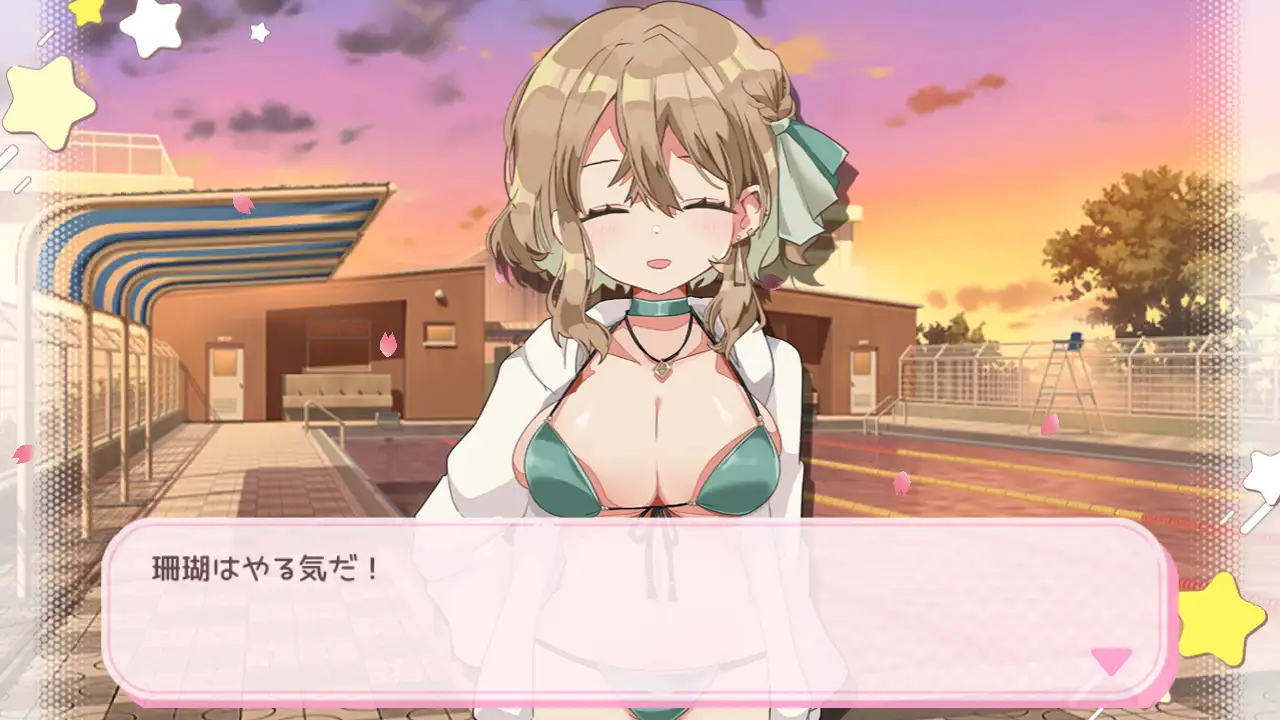

Nintendo of America has made it clear: in their new “brand-safe” world, cute anime girls are enemy number one. If you’re expecting them to reverse course, don’t bother holding your breath. Even Nintendo of Japan has started bending the knee to the “globohomo” sterilization agenda, watering down their own media to fit the Western monolithic narrative given the fact that Menhera Farm is censored even in Japan.
Developers like Sugar Star will face an uphill battle in bringing their vision to Western audiences, while fans are left sifting through a shrinking pool of unfiltered Japanese content on the Switch. This cultural and corporate clash shows no signs of resolution, leaving the future of Japanese games in the West uncertain at best.
